For
a while now, scientists have known that fish are ingesting small pieces of
plastic. But it wasn’t clear how much of that was reaching our dinner plate.
Ecologist Chelsea Rochman wanted to find out.
“We
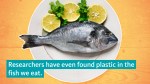
found plastic and fibers from textiles (e.g., clothing, carpet, fishing nets)
in about 1 out of every 4 seafood items sampled,” she
told the@huffingtonpost
The study,
which Rochman conducted while at UC Davis, was one of the first to directly
link plastic in the oceans to the fish on our dinner plates.
So
how concerned should we be?
“We
know much more about how plastic debris is harmful to fish and much less about
how plastic debris in our fish is harmful to our health,” Rochman explains.
Lab studies have demonstrated that plastic can get stuck in the guts of fish and
make them feel full. This changes their feeding behavior. Previous research from Rochman
demonstrates that small plastic debris can transfer harmful chemicals to fish.
This causes stress on the liver and changes the activity of genes related to
reproduction.
“Studies
have shown plastic debris in shellfish, fish and even sea salt. So, yes, we need more research
to answer questions about how plastic debris may impact food security (i.e.
fish stocks) and food safety.”
This
is what Rochman plans to study next.
“Seafood
is very healthy. It has essential fatty acids. I would never want to scare
anybody away from eating seafood,” She said. “We need to see if we need a toxic
threshold for plastic in fish.”
What
can the rest of us do?
The
recent ban on microbeads was a major victory. But
microbeads in products like toothpaste and face wash are just one part of the
problem. Single-use plastic items — bottles, bags, plates, straws and utensils
— are also big contributors to the microplastic problem. The less we use, the
better.







 wishwhale