
I tried doing a lineless picture!! Didn’t turn out exactly how I wanted it to, but I like the texture regardless
I tried doing a lineless picture!! Didn’t turn out exactly how I wanted it to, but I like the texture regardless
Although this potentially new species looks exactly like what we know to be the bonnet head hammer head shark, genetically it is different, with its differences going back millions of years!
This might not mean much to the average person since they are basically identical visually. But to a marine conservationist (hi!) this means that this could divide the population numbers we thought to be present for a single species, and increasing their CITES rating. Bonnet head hammerhead sharks are currently listed as least concern, but by dividing the population we will potentially increase the status of two species to threatened, endangered, or higher. This would support creating more marine conservation areas and greater laws to protect the ocean environment where these species live.
I wish we didn’t need the species to be endangered before protecting the environment on this scale, but I will take it.
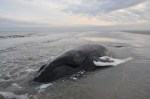


What To Do If You Find A Beached Cetacean
If you are ever out by the coast and are the first to happen upon a stranded or beached whale, dolphin, or porpoise, please take these steps to ensure the animal gets the help they need!
- Before anything, call a local rescue or stranding network! A list of these networks for America can be found here. Do this before doing anything else, the faster you can notify professionals to come for help the better.
- Do not try to push the animal back into the water! They beached for a reason, and if they are ill or needing medical attention and you push them back into the water, they could re-strand and stress/injure themselves further, or they could go off and eventually die of whatever was ailing them.
- Do not try to touch the animal or get close unless necessary. They are large, wild predators and are likely in a certain mode of survival, which could lead to injury for you. It’s best to keep yourself safe and stay far enough back that if the animal were to bite or thrash, you are not in the way. If the animal is in a situation that requires you to get near, do so with care and have volunteers assist you.
- Ensure the animal can breathe. If their blowhole is covered or not in a position that allows them full access to air, you may need to flip or adjust the animal. Only do this if you feel comfortable and with the utmost self preservation.
- Try to keep the crowd away and quiet. A noisy crowd of barking dogs, yelling adults, and screaming children will only stress and panic the animal more. Keep everyone else at a safe distance and try to keep everyone calm and noise levels down.
- Log the time, physical appearance, condition of the animal, and take photos. Any information you can gather while waiting for the rescue team is essential in giving them more information to help the animal.
- Try to gather some wet towels and carefully drape them over the animal while keeping as much distance as you can. If the animal is thrashing wildly or acting aversively to any advance, back off immediately and skip this step. It’s not worth risking your safety.
- Place a tarp tent over the animal if any beach goers have one nearby. Keeping the animal out of the sun is ideal so they can avoid sunburn. They are not used to being exposed to such high intensity rays for long amounts of time.
- Keep waiting for help to arrive, and keep logging behavior and condition of the animal.
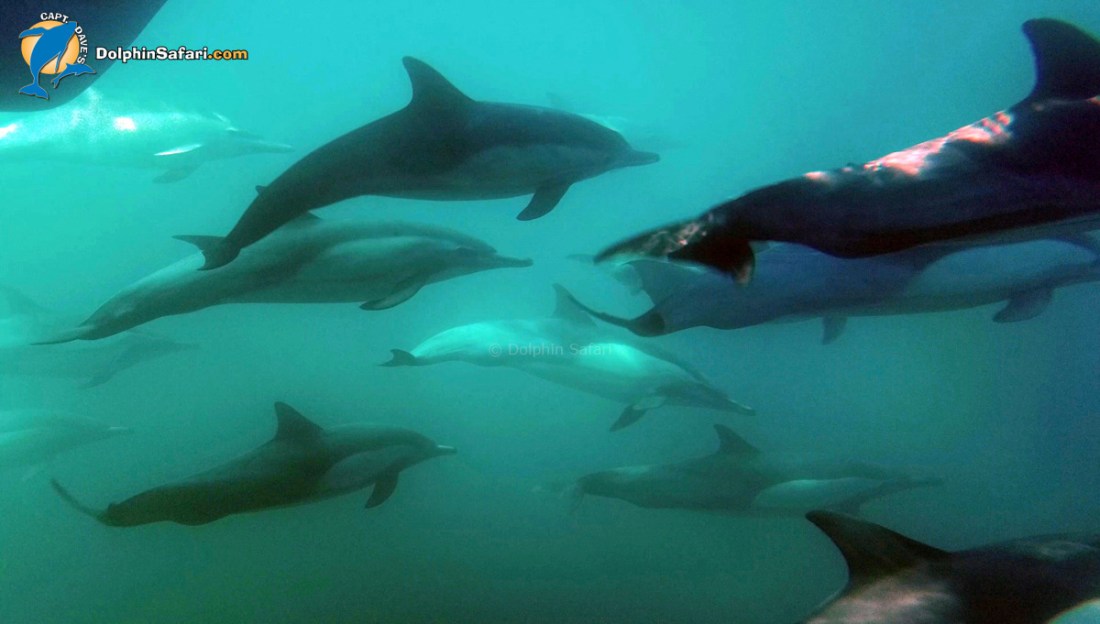
Gorgeous ocean conditions, the water was especially beautiful today- perfect for Manute’a’s underwater viewing pods!
Naturalist Craig got a great shot of the Common Dolphins that came “eye to eye” to passengers in the pods.
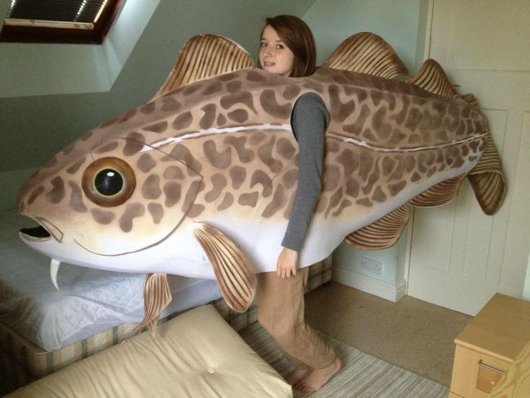


It was also @sweetpea-bee ’s birthday and since I hated the comic I had sketched out I drew this instead!!

 wishwhale