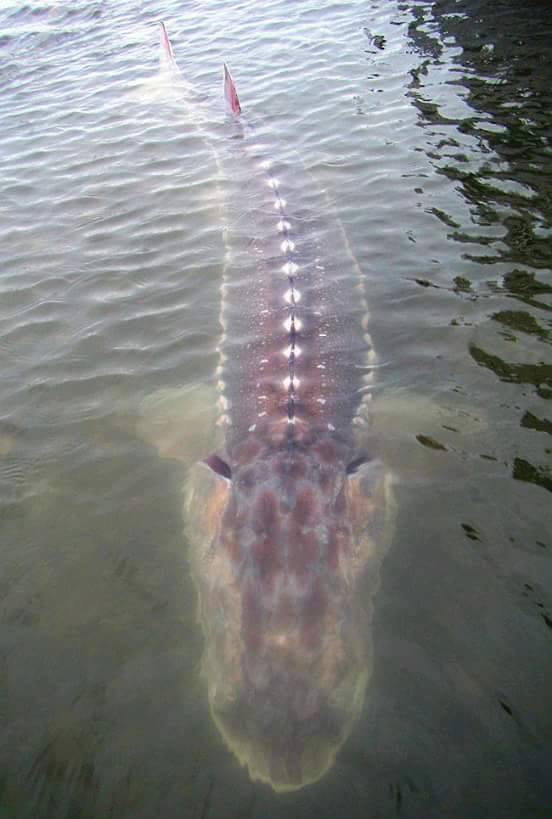
This photograph of a sturgeon has been making the rounds on Facebook lately, freaking people out because they couldn’t figure out what it was.
It has come to my attention that many people find this picture scary – but I actually think sturgeon are big squishy babies? I mean
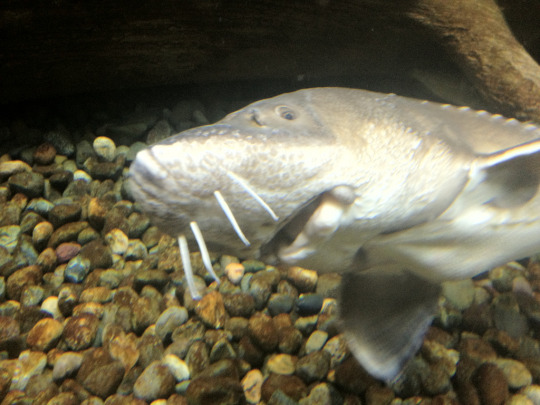
look
at their faces
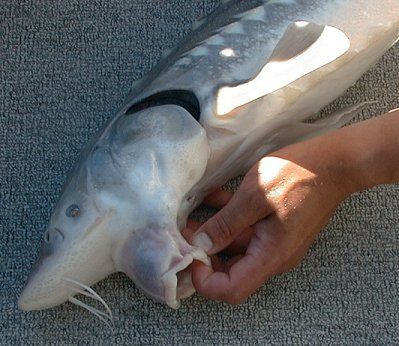
HOW CAN YOU SAY NO TO THAT? And their mouths:
Sturgeon are actually bottom-feeders! They don’t even have teeth.
But I really can see why people are creeped out by them! They look like dinosaurs. And they kind of are, in a way – they’re a relic of a bygone era, dating back over 208 million years ago to the Triassic period.
The sad thing about this, though, is that since sturgeon grow so large, live so long, and have survived on our planet for so many years, they reproduce very, very slowly. Over the years, this has led to the decline of sturgeon populations, with some subspecies – like the kaluga – becoming critically endangered.
Maybe it’s because I saw them on River Monsters (one of my favorite wildlife shows! Seriously, go check it out), but I’ve always had a massive soft spot for sturgeon. The only dangerous thing about them is that they sometimes breach out of the water, and this tendency has occasionally led to the deaths of boaters because they’re so massive.
(Side note: I saw a sturgeon while I was at the aquarium portion of the Biodome, and it was SO CUTE AND IT WAS SO BIG AND I LOVED IT AND I JUST SPENT LIKE 45 MINUTES WATCHING IT SWIM AROUND.)
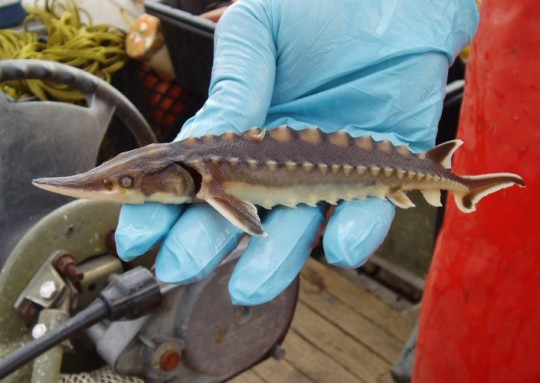
Also, here’s a babby sturgeon because they are very cute and very smol.
There are sturgeon all over in the lake I live on (Lake Michigan, the winter hellhole) and honestly they’re just slow and skittish so
I live on lake Huron and very rarely do we see these guys. When it’s ice fishing season someone will catch one or two on accident. The last one in my area that was caught was 11 feet long.
They’re like ?? Weirdly drawn to the marina my brother works at ? It’s strange to see them leave he depths and yet they surface now and again and they’re pretty neato
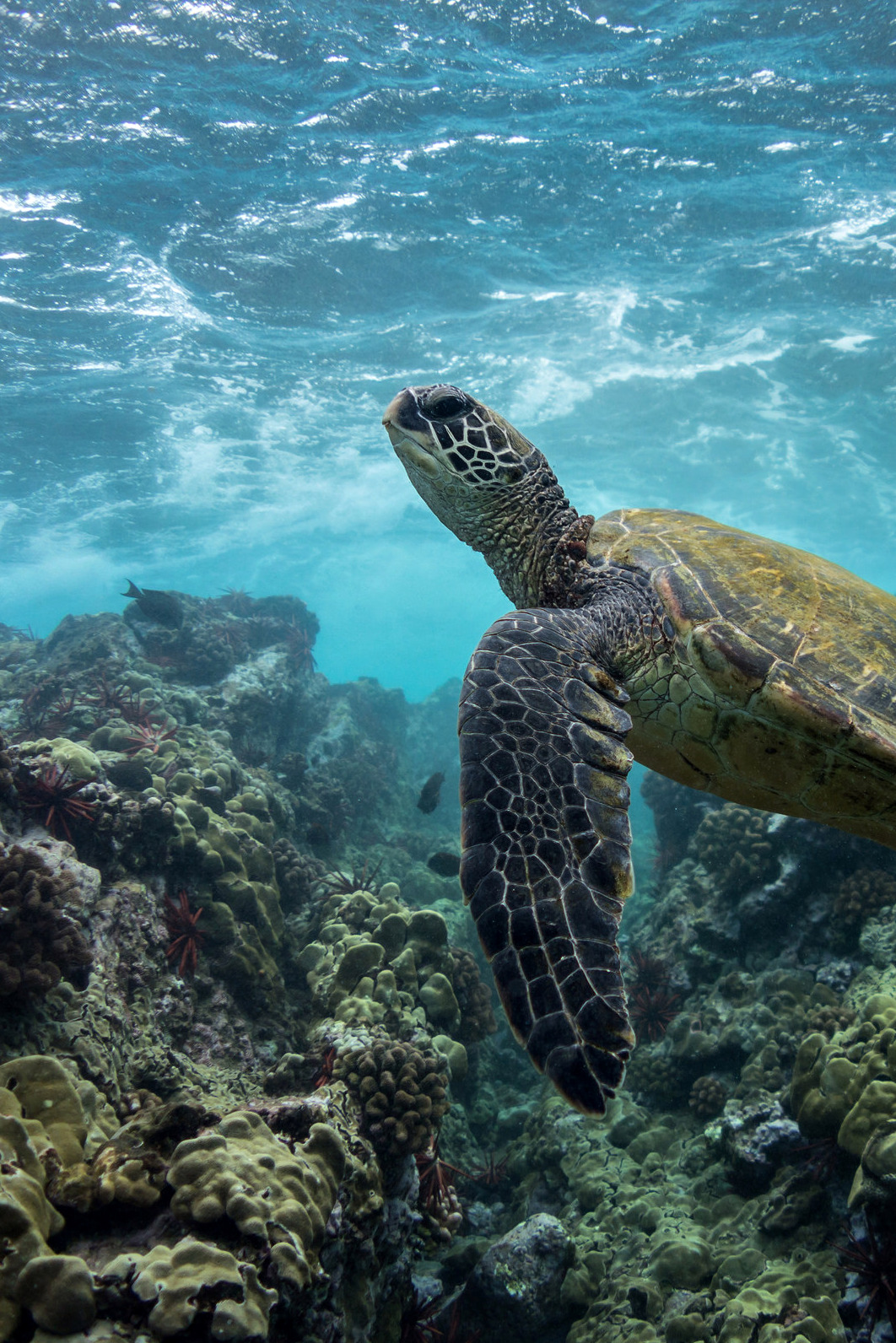
Stormy Waters “It was great fun swimming amongst the breaking waves, where the turtles fed. They’d get smashed in to the rocks as they ate but they didn’t seem to care. Lacking the shell, I had to be more careful” – by
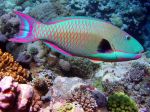
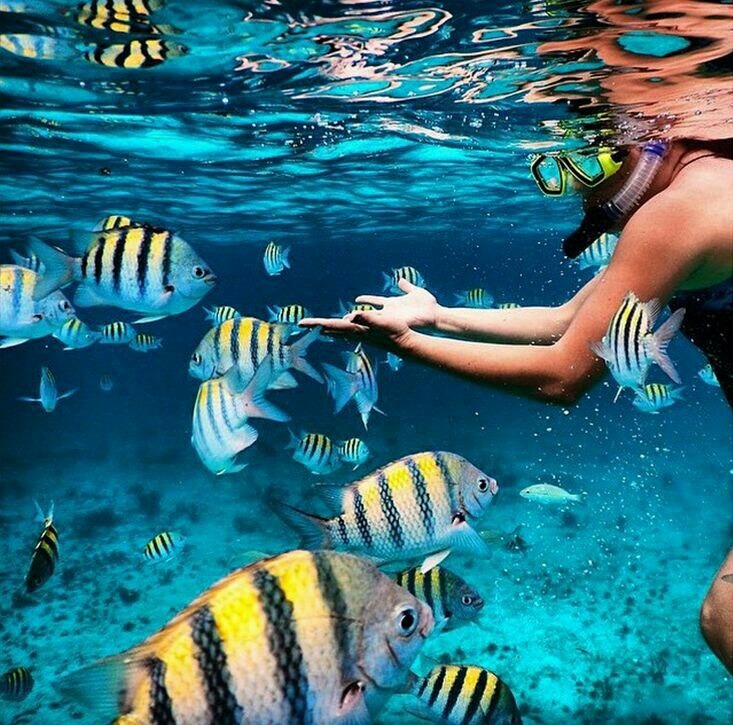
…a species of parrotfish (Scaridae) that is widely distributed throughout the Indo-Pacific, ranging from the Red Sea to the Tuamoto Islands, Izu Island, and the southern Great Barrier Reef. C. bicolor is one of the largest species of parrotfish with adults reaching lengths of around 90 cm (35 in). Like other parrotfish C. bicolor typically inhabits coral reefs and feeds mainly on algae and marine invertebrates.
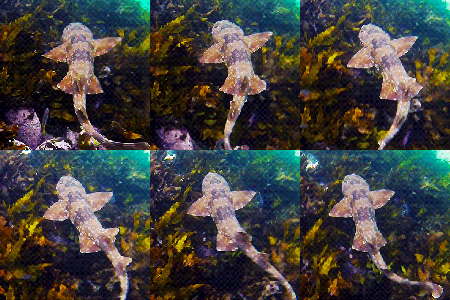
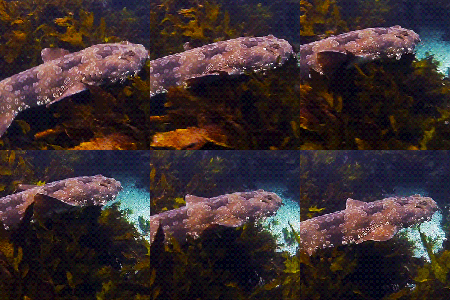
The Wobbegong shark is a dorsoventrally flattened fish. There are twelve species of Wobbegongs and they all have these little stylish fleshy tabs on their chins for camouflage; Wobbegong comes from an aboriginal name meaning “shaggy beard.” Because Wobbegongs are extremely confident in their camouflage, they cause no threat to divers. In fact, divers can swim up to one and it just sits there and doesn’t move, completely convinced that it can’t be seen. Unlike most sharks, which breathe through their mouth, the Wobbegong breathes through a pair of spiracles that are kind of like nostrils that don’t smell, they’re on the top of the head. This is because the mouth is down so low to the sand, if they were breathing through their mouth, they would just get a mouthful of sand. Yuck.




 wishwhale

