Are you sitting down? Get comfy, this one’s a doozy:
• These are photos of salps—filter-feeding, gelatinous drifters. • Their scientific name is Thetys vagina. • Vagina salps come in two morphs: solitary (📸 1) and chains (📸 2) • Solitary salps produce the chains asexually—you can see a rope of clones—the stolon—forming in the salp’s “belly,” each small orb being the gut of one salp in the budding chain.
• Chains of the clonal individuals can be tens of feet long. The chain here was about 3 feet long. • The chains reproduce sexually, beginning life as females and producing eggs. • When the female chain has been fertilized by a male chain and the solitary salps produced, the female chain then becomes a male chain and will fertilize younger female chains.
• Known as “alternation of generations,” this type of reproductive strategy is thought to help salps explode in numbers when conditions are right. • Salps may be crucial to the carbon cycle and regulating the climate, as their poo pellets sink carbon into the deep sea.
• These photos were taken by local photographer Joe Platko along Cannery Row this week. Thanks Joe!
FAQ: • We know—supposedly they were named when “vagina” just meant “sheath” and not applied to anatomy yet but idk • “Thetys” refers to a Greek sea goddess. “Tethys” was Titan of fresh water.
• They don’t sting! They’re closer to fishes and people than to jellyfish!
This has been a public service announcement about the alternation of generations and sequential hermaphroditism in Thetys vagina salps. Thank you for reading. 🥃
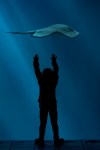
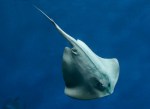
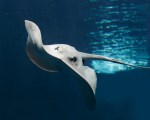
We know y’all got that PSL: Pelagic Stingray Love! Three young pelagic stingrays have joined the rest of the Open Sea community. These open ocean pancakes are found around the world and are the only stingray that lives almost exclusively in the midwater, flap flapping after squid, crabs and jellies.
Did you know that rabbits live in the ocean? Well, not exactly – but you can find sea hares!
California brown sea hares like this one in Channel Islands National Marine Sanctuary are actually large sea slugs. They get their name from the sensory organs on their heads that look rather like rabbit ears. Also like rabbits, they are grazers, though they far prefer algae to anything terrestrial. Have you spotted sea hares while tidepooling or diving in your California sanctuaries?
(Photo: Dr. Tony Knight)
[Image description: A side view of a California brown sea hare grazing on algae. The sea hare has two sensory organs on top of its head that look like rabbit ears.]
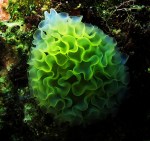
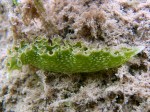
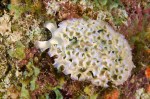
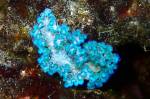
The lettuce sea slug(Elysia crispata) is a large (5cm) and colorful species of seaslug, a marine gastropod mollusk. The lettuce slug resembles a nudibranch, but it is not closely related to that clade of gastropods; it is classified as a sacoglossan, or sap-sucking sea slug.
Sacoglossans live by ingesting the cellular contents of algae, hence the adjective “sap-sucking.” (xxxxxxx)
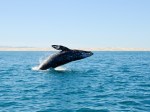
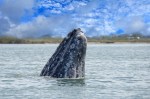
The gray whale(Eschrichtius robustus), also known as the grey whale, gray back whale, Pacific gray whale, or California gray whale is a baleen whale that migrates between feeding and breeding grounds yearly. It reaches a length of 14.9 meters (49 ft), a weight of 36 tonnes (40 short tons), and lives between 55 and 70 years. The common name of the whale comes from the gray patches and white mottling on its dark skin. Gray whales were once called devil fish because of their fighting behavior when hunted.The gray whale is the sole living species in the genus Eschrichtius, which in turn is the sole living genus in the family Eschrichtiidae. This mammal descended from filter-feeding whales that appeared at the beginning of the Oligocene, over 30 million years ago.
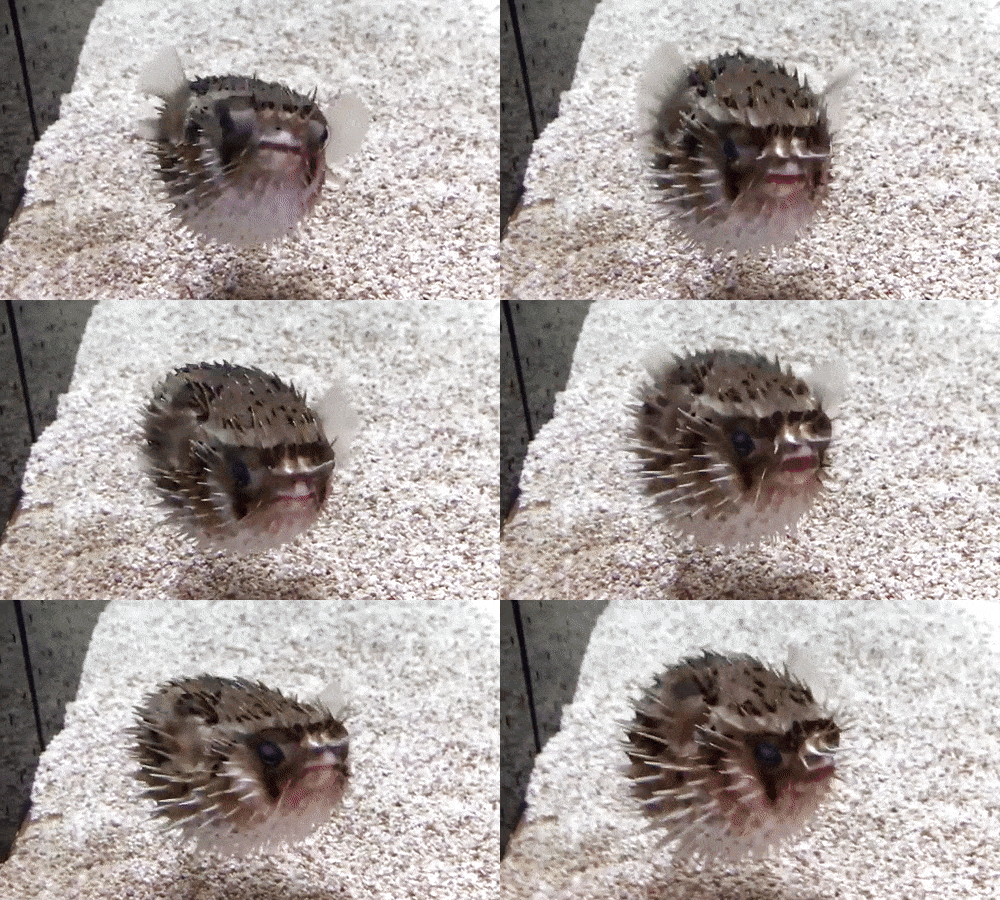
The Ocean Sunfish, or Mola Mola, is the heaviest bony fish in the world, with adults weighihg in at 1 tonne. The word “mola” is Latin for millstone, and the fish is named this due to the flat and round shape, grey colour and rough skin. The Ocean Sunfish is in the same family as pufferfish and porcupinefish, and like the rest of this family, has four fused teeth that form a beak. They use this beak to feed on small fish, jellyfish, squids, crustaceans, and salps. Ocean Sunfish produce the most eggs in the animal kingdom, able to produce up to 300 million eggs at a time. Sunfish fry look more similar to other species of pufferfish than to adult Mola Mola.
High five! (or is that one?) Green turtle Chelonia mydas #marineexplorer by John Turnbull
Via Flickr:
The green turtle is a global species which lives in tropical and subtropical waters. It is listed as endangered due to exploitation of eggs, incidental deaths from fisheries and loss of habitat www.iucnredlist.org/details/4615/0. Lord Howe Island









 wishwhale
