Human teeth evolved from the same genes that
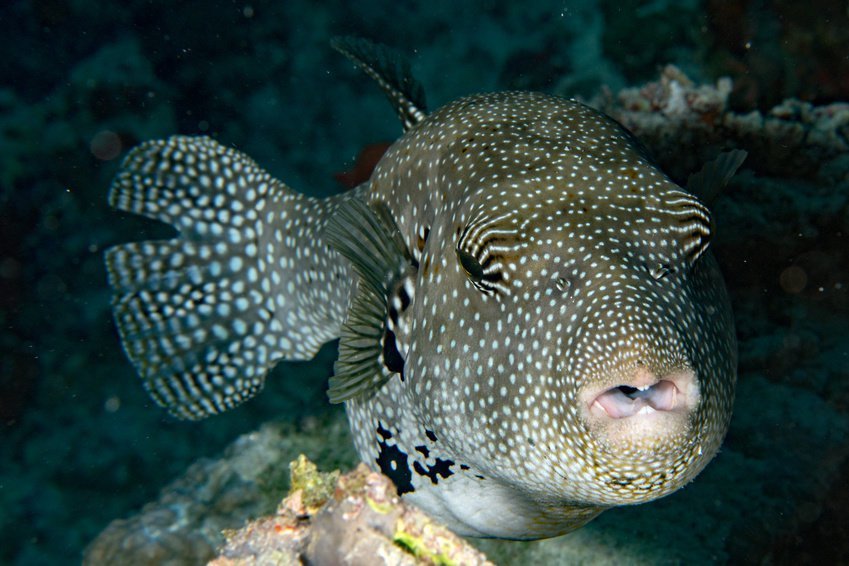
make the bizarre beaked teeth of the pufferfish, according to new
research by an international team of scientists.
The study, led by Dr Gareth Fraser from the University of Sheffield’s
Department of Animal and Plant Sciences, has revealed that the
pufferfish has a remarkably similar tooth-making programme to other
vertebrates, including humans.
Published in the journal PNAS, the research has found that
all vertebrates have some form of dental regeneration potential. However
the pufferfish use the same stem cells for tooth regeneration as humans
do but only replace some teeth with elongated bands that form their
characteristic beak.
The study’s authors, which include researchers from the Natural
History Museum London and the University of Tokyo, believe the research
can now be used to address questions of tooth loss in humans.
“Our study questioned how pufferfish make a beak and now we’ve
discovered the stem cells responsible and the genes that govern this
process of continuous regeneration. These are also involved in general
vertebrate tooth regeneration, including in humans,” Dr Fraser said.
Alexandre P. Thiery, Takanori Shono, Daisuke Kurokawa, Ralf Britz, Zerina Johanson, Gareth J. Fraser. Spatially restricted dental regeneration drives pufferfish beak development. Proceedings of the National Academy of Sciences, 2017; 201702909 DOI: 10.1073/pnas.1702909114
Rory L. Cooper, Kyle J. Martin, Liam J. Rasch, Gareth J. Fraser. Developing an ancient epithelial appendage: FGF signalling regulates early tail denticle formation in sharks. EvoDevo, 2017; 8 (1) DOI: 10.1186/s13227-017-0071-0
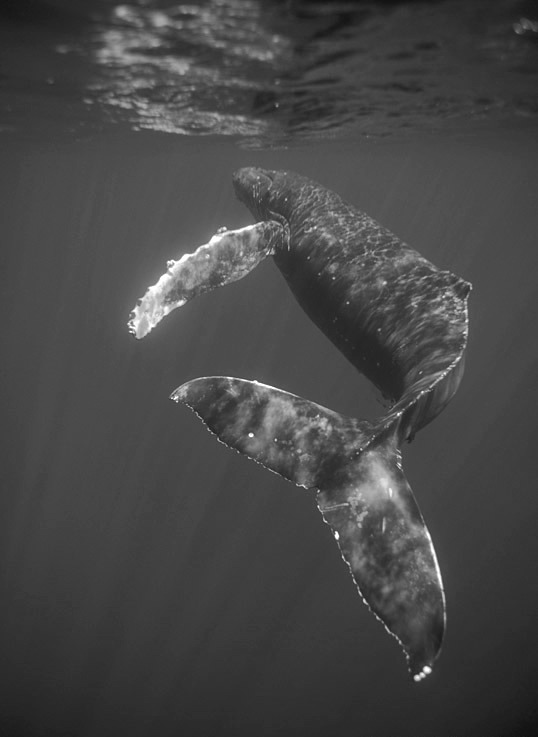
The Humpback Whale has a more detailed feeding system than any other whale out there. They feature grooves on the throat that allow it to open up and to expand when they eat. This way they can take in huge amounts of water. The filtering system keeps the food and pushes the water out. They are seasonal feeders and then they cut down to almost nothing when they migrate. They will consume from 4,000 to 5,500 pounds of food daily if it is available.
Found this and thought y’all would appreciate it 😂 I call it “The Flight of the Scallops”
If anyone knows where this is from please add a link because this is awesome .
of many things in this world, i still can’t believe scallops are real
It’s so weird to thinking of scallops swimming, but they totally do. It’s accomplished by clapping their shells together forcefully, which propels a jet of water out of the back on either side of the hinge – do it enough times in quick succession, and you’ve got forward momentum!
This looks like a whole bunch of scallops trying to run away from the potential predator (the diver). I have no idea if this is a normal response since I’ve never dove in places where they lived. Normally, they’ll use swimming as a way to get away from potential predators that are harassing them a little too much for comfort.
Horseshoe crab (Limulus polyphemus), on the western shore of the Chesapeake Bay at Fort Monroe National Monument, Hampton, Virginia.
Etymology note: What a puzzle! Polyphemus was the name of a Cyclops with a bit part in the Odyssey. The name translates many voiced, and might literally mean often spoken of, hence famous. It seems an odd choice, to name a creature with ten eyes after a creature with only one.
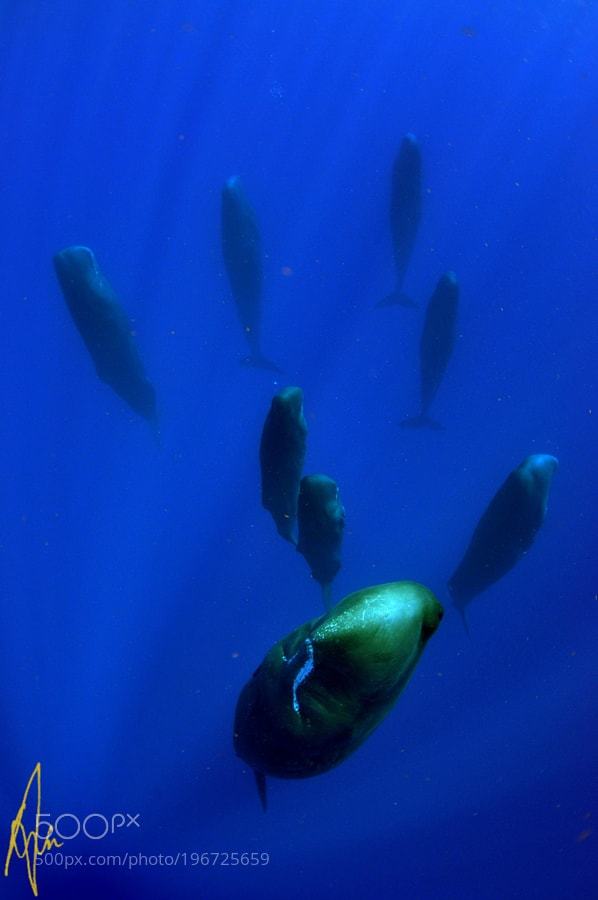
Sleeping whales (taken under permit) by Izzysan Very rare shot of a pod of sleeping sperm whales with calves, the adults formed a ring around the juveniles,








 wishwhale