
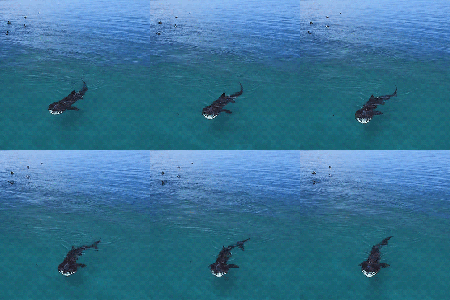
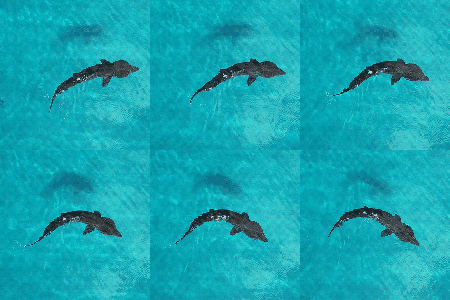
Minkes are found in all oceans, though they are rarely observed in the tropics. They seem to prefer icy waters, and are found right up to the edge of the icepack in polar regions, and have actually become entrapped in the ice fields on occasion.
Minkes are found in all oceans, though they are rarely observed in the tropics. They seem to prefer icy waters, and are found right up to the edge of the icepack in polar regions, and have actually become entrapped in the ice fields on occasion.
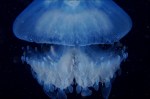

“We saw this large beautiful jellyfish during a decostop above Monad seamount,
with commensal fish and brittlestar” by Klaus Stiefel

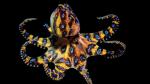
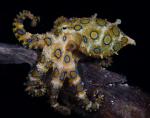
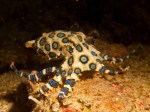
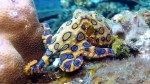
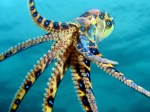
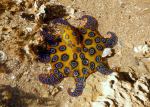
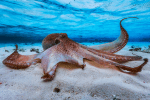
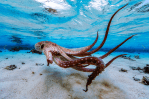
The blue-ringed octopuses (genus Hapalochlaena) are three (or perhaps four) octopus species that live in tide pools and coral reefs in the Pacific and Indian Oceans, from Japan to Australia.
Contrary to popular belief, the blue-ringed octopus is not the only venomous octopus. In fact, studies have shown all octopuses are venomous. The blue-ringed, however, is the only octopus with venom powerful enough to kill a human.
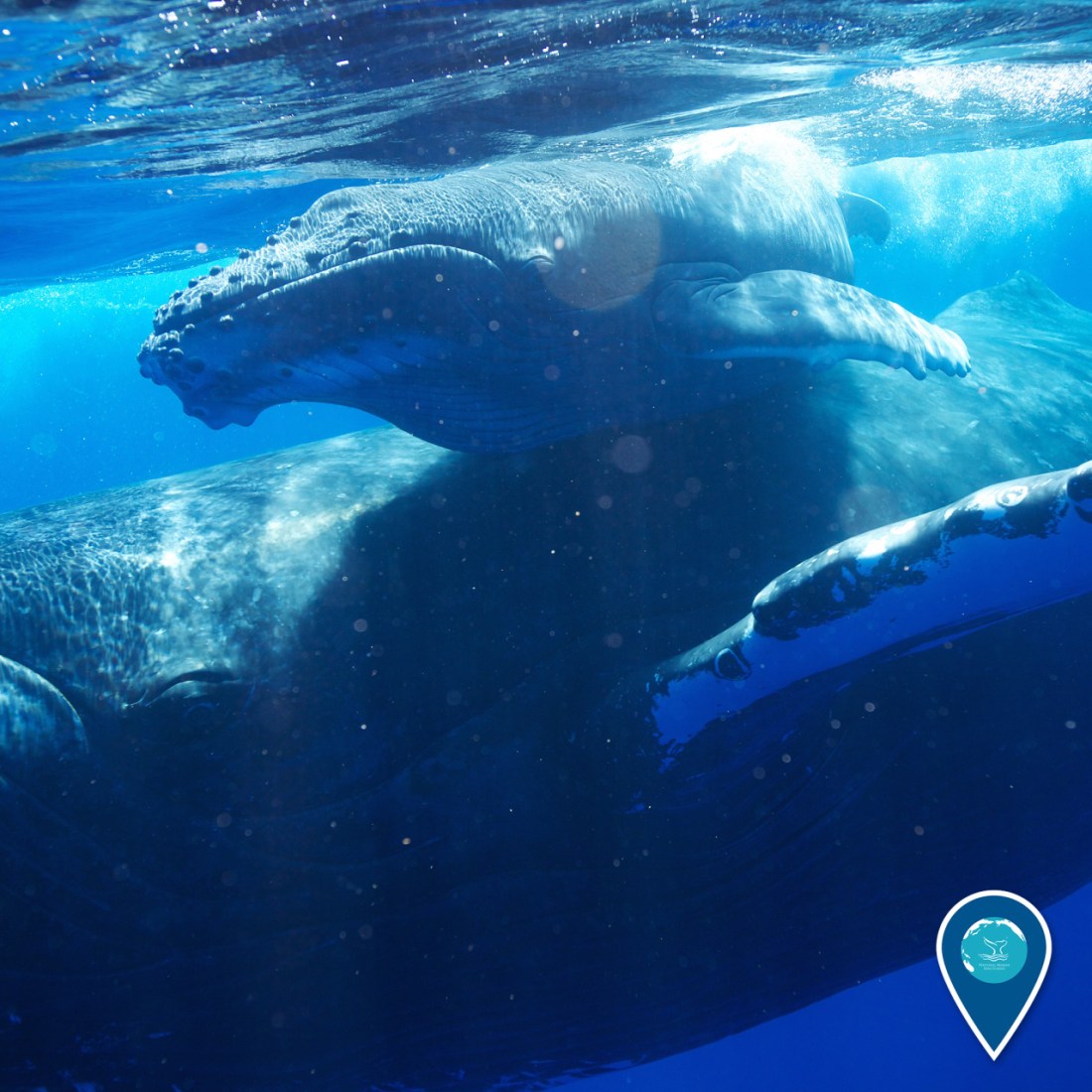
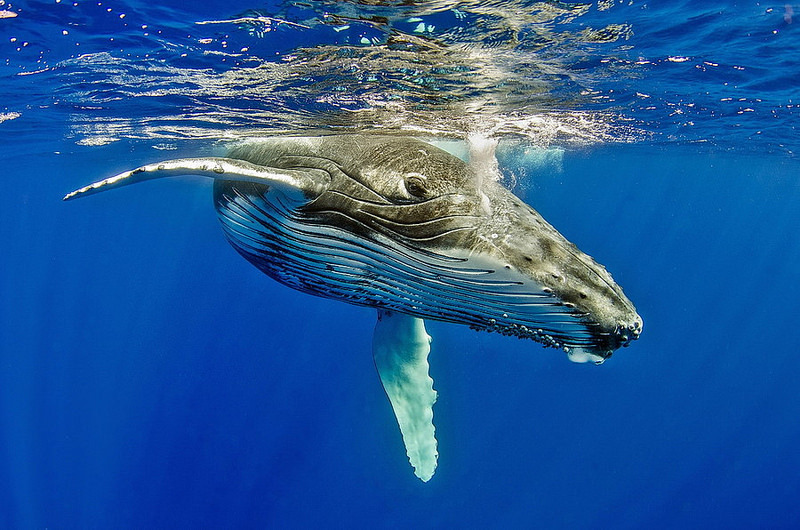
A mother and calf humpback whale glide through the surface waters in Hawaiian Islands Humpback Whale National Marine Sanctuary.
After a nearly 12-month gestation period, a female humpback whale gives birth to a single calf that she closely nurtures and feeds for six to 10 more months. While humans consume milk that is about two percent fat, the milk humpback whale moms provide to their calves is 45 to 60 percent fat! This rich milk helps calves grow and develop as their mothers lead them through the first months of life.
(Image: J. Moore/NOAA, under NOAA Permit #15240)
 https://embedr.flickr.com/assets/client-code.js
Climate change scientists should think more about sex
Urgent need to check how males and females respond differently to ocean acidification
Climate change can have a different impact on male and female fish, shellfish and other marine animals, with widespread implications for the future of marine life and the production of seafood.
But a paper published today in the Royal Society journal Biology Letters has found that very little research into how males and females respond differently to climate change has been carried out. This is despite recent research on ocean acidification published by lead author Dr Robert Ellis showing that male and female shellfish respond differently to stress.
Dr Ellis says the impact on different sexes should be properly assessed in all aquatic animals to accurately predict how populations will respond to climate change. Any effect on spawning, settlement or survival could have a major impact on sustainable supplies of fish and shellfish.
The latest research by the University of Exeter in collaboration with Plymouth Marine Laboratory reveals that less than 4% of climate-change studies have tested the impact of ocean acidification on males and females separately.
Over the past decade, research into the impacts of rising CO2 on fish and shellfish species has increased dramatically, helping scientists accurately predict the threat climate change poses ecosystems worldwide. Worrying changes in behaviour, survival, growth, reproduction and health have been found in many species.
Co-author of the study Professor Rod Wilson, a climate change marine biologist based at the University Exeter, said in light of this research separate environmental management strategies may be required.
Read more here.
Provided by the University of Exeter
Image by Leanne Allsopp






 wishwhale