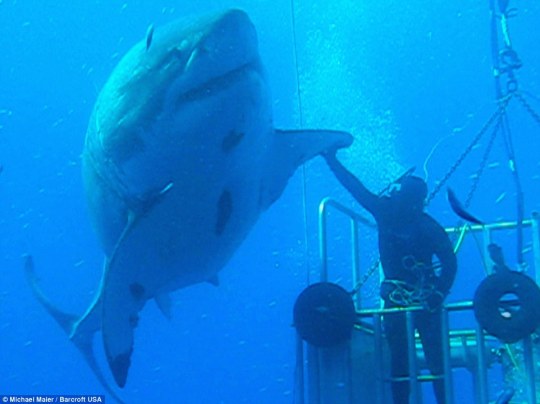
That’s Deep Blue, they think she’s the biggest white shark ever filmed
Of course it’s a girl. She’s beautiful and I’ll keep my hands inside the cage at all times
I…I love her.
My daughter is beautiful and strong.
her dorsal fin is longer than a full grown adult but I in all my 5’2" glory still wants to protect her
I am, I believe, the reasonable amount of scared of sharks that a smart soft mammal should be, but I definitely just said “whos a big pretty girl” at the screen.
Thank you, tumblr, for reminding me that things I’m afraid of are beautiful too.
So I got curious and look this giant up and found this picture of the diver high fiving her as she passed. According to the article, not only is Deep Blue big but in the picture she’s super pregnant too.
A small Japanese puffer fish is the creator of one of the most spectacular animal-made structures. To impress the female puffer fish, the male labors 24 hours a day for a week to create a pattern in the sand. If the female finds his work satisfactory, she allows him to fertilize her eggs. She then lays them in the middle of the circle, leaving the male to guard the eggs alone.
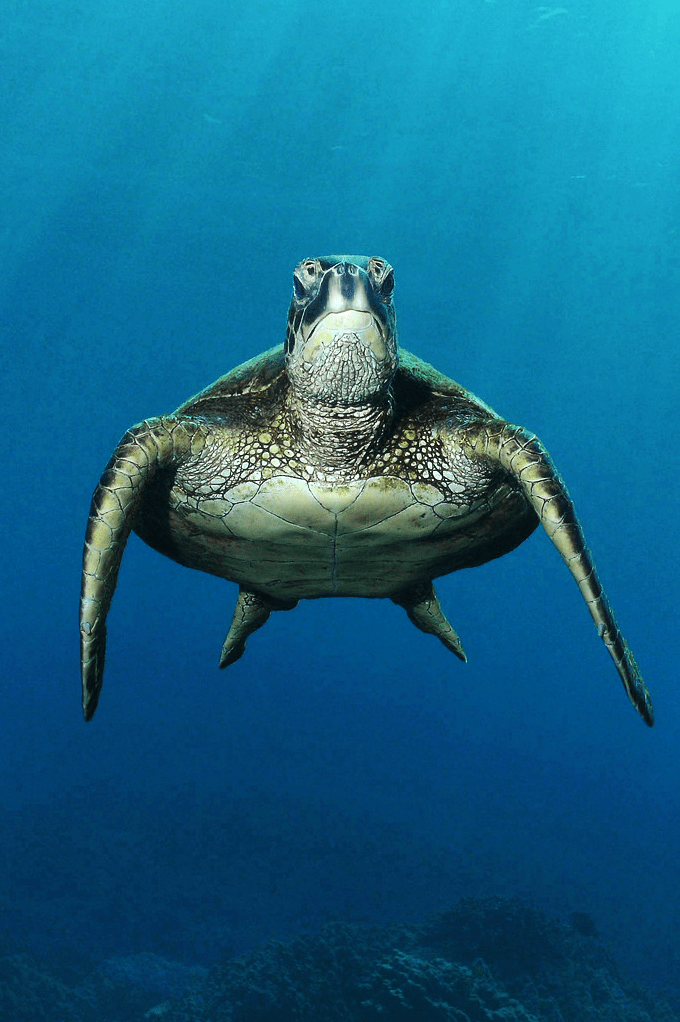
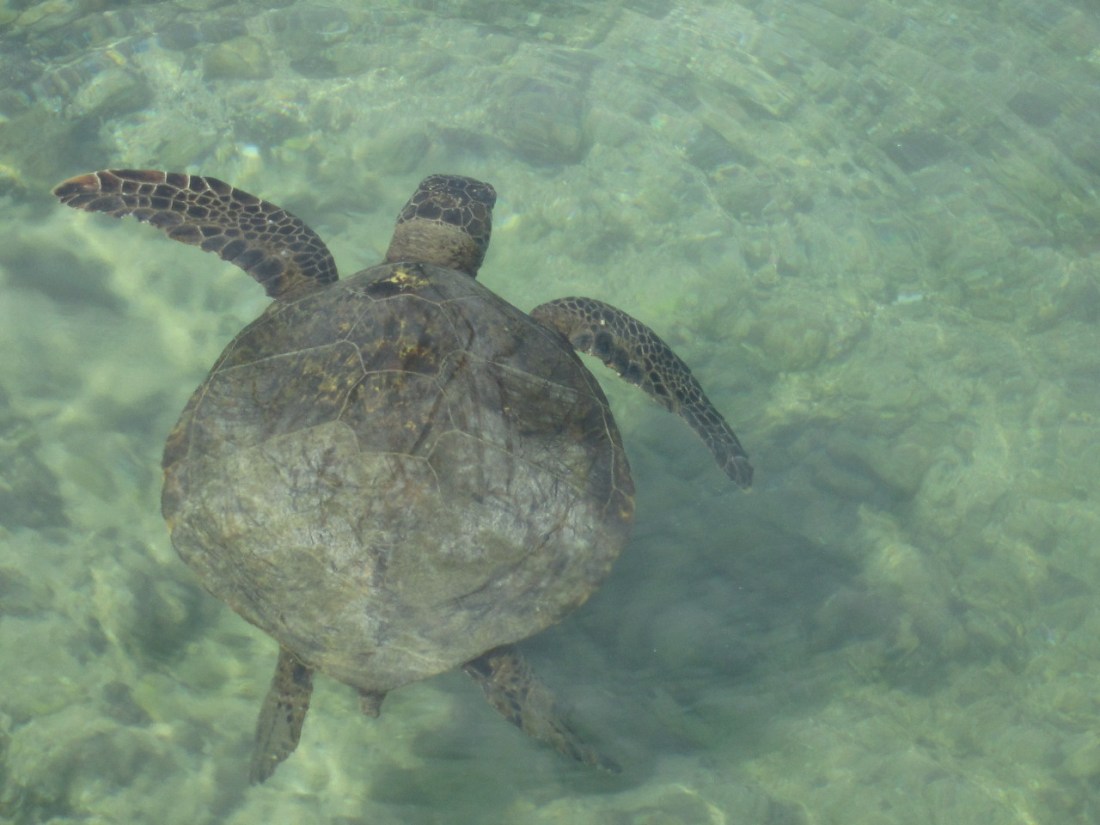
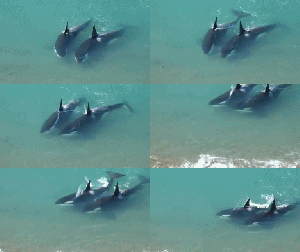
It’s a very simple guide, but it’s pretty complete and it offers the sort of information you’ll need to tell apart cetaceans (and some sea turtles too). Enjoy!
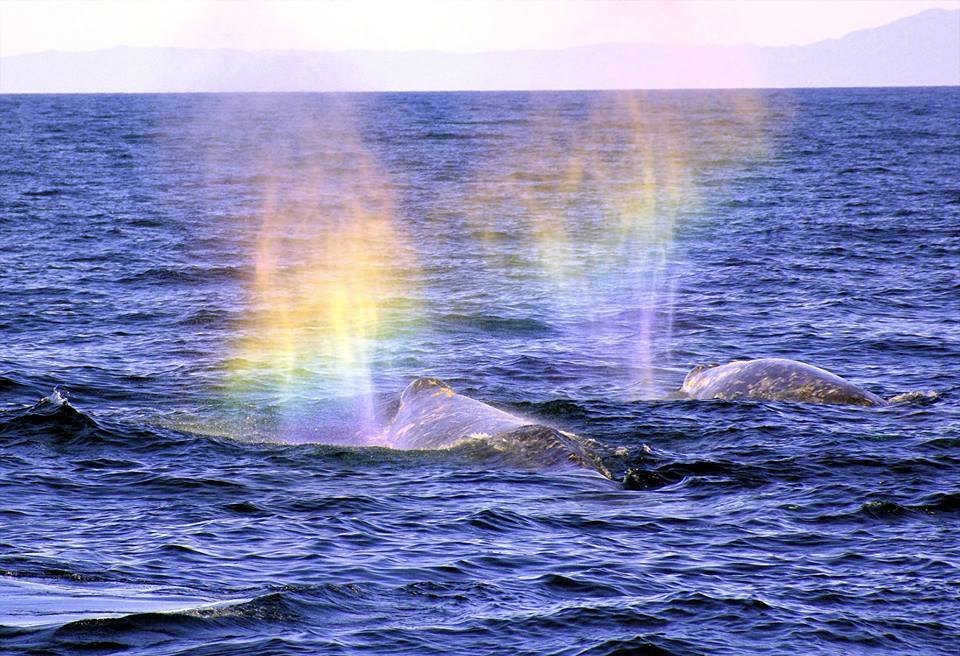
Whoa! Sunlight creates rainbows from the spouts of two gray whales at Channel Islands National Park off the California coast. The waters surrounding Channel Islands are home to more than 27 species of whales, dolphins and porpoises – representing about one-third of cetacean species found worldwide. If you’re hoping to catch a gray whale sighting, try visiting the park during mid-December to mid-March when they migrate. Photo courtesy of Larry Goldman.
Check out this phenomenal photo of gray whales in Channel Islands National Park and Channel Islands National Marine Sanctuary! The park and sanctuary overlap in the waters adjacent to the islands, while the sanctuary extends further out into the ocean to give animals like these gray whales some added protection while they’re passing through.
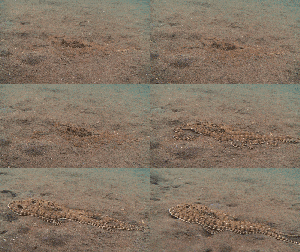
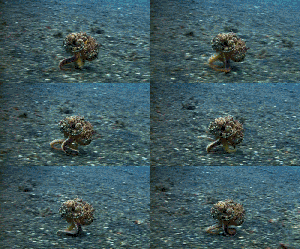
This sea creature can mimic the behaviors and various shapes of different animals it sees. They are highly intelligent and use their ability to camouflage and avoid predators. It is so intelligent that it will actually mimic a sea creature that its predators is afraid of. For example, scientists observed that when the octopus was attacked by territorial damselfishes, it mimicked the banded sea snake, a known predator of damselfishes.
It can mimic sea creatures like the sole fish, lion fish, sea snakes, frog fish and more.









 wishwhale