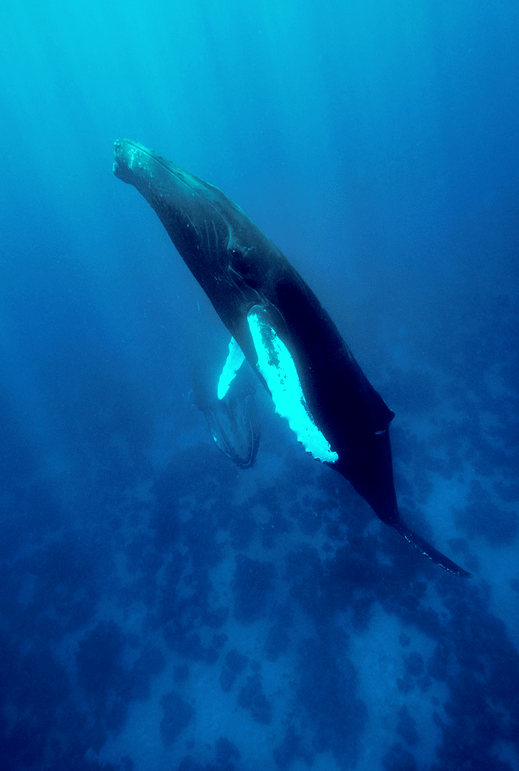
Mating Pair Rising by ScottS101
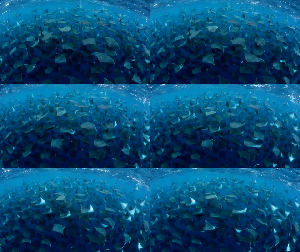

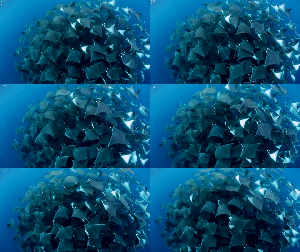
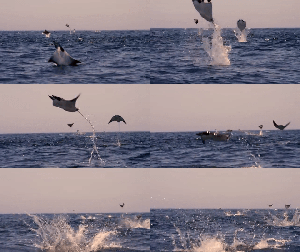


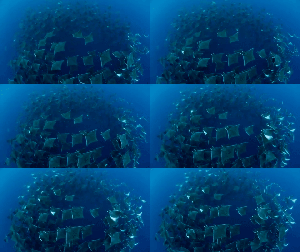
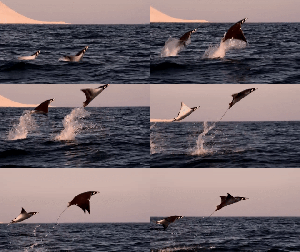
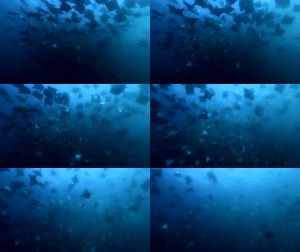
closely related to sharks but with long, flat bodies and wing-like pectoral fins, mobula rays are ideally suited to swooping through the water – here off the gulf of california – yet seem equally at home in the air, so much so that they have earned the name “flying rays”. mobula rays can reach heights of more than two metres, remaining airborne for several seconds.
mobula rays are quite elusive and difficult to study, so biologists are not quite sure why they jump out of the water. theories vary from a means of communication, to a mating ritual (though both males and females jump), or as a way to shed themselves of parasites. they could also be jumping as a way of better corralling their pray, as seen with them swimming in a circular formation.
what is known about mobula rays is that they reach sexual maturity late and their investment in their offspring is more akin to mammals than other fishes, usually producing just a single pup after long pregnancies, all of which makes them extremely vulnerable to commercial fishing, especially as a species that likes to come together in large groups.
Beautiful See
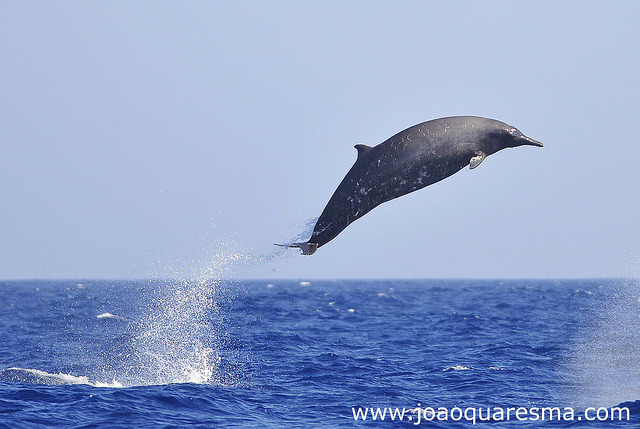
I want to fly away! by quarrresma / João Quaresma on Flickr.
Wow!
A Sowerby’s Beaked Whale? That’s not something you see everyday!
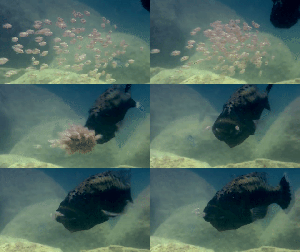

Not sure on the ID, but I just wanted to let people know that this is a mouth-brooding fish! She’s not eating them, all her little babies are going home to be safe!!


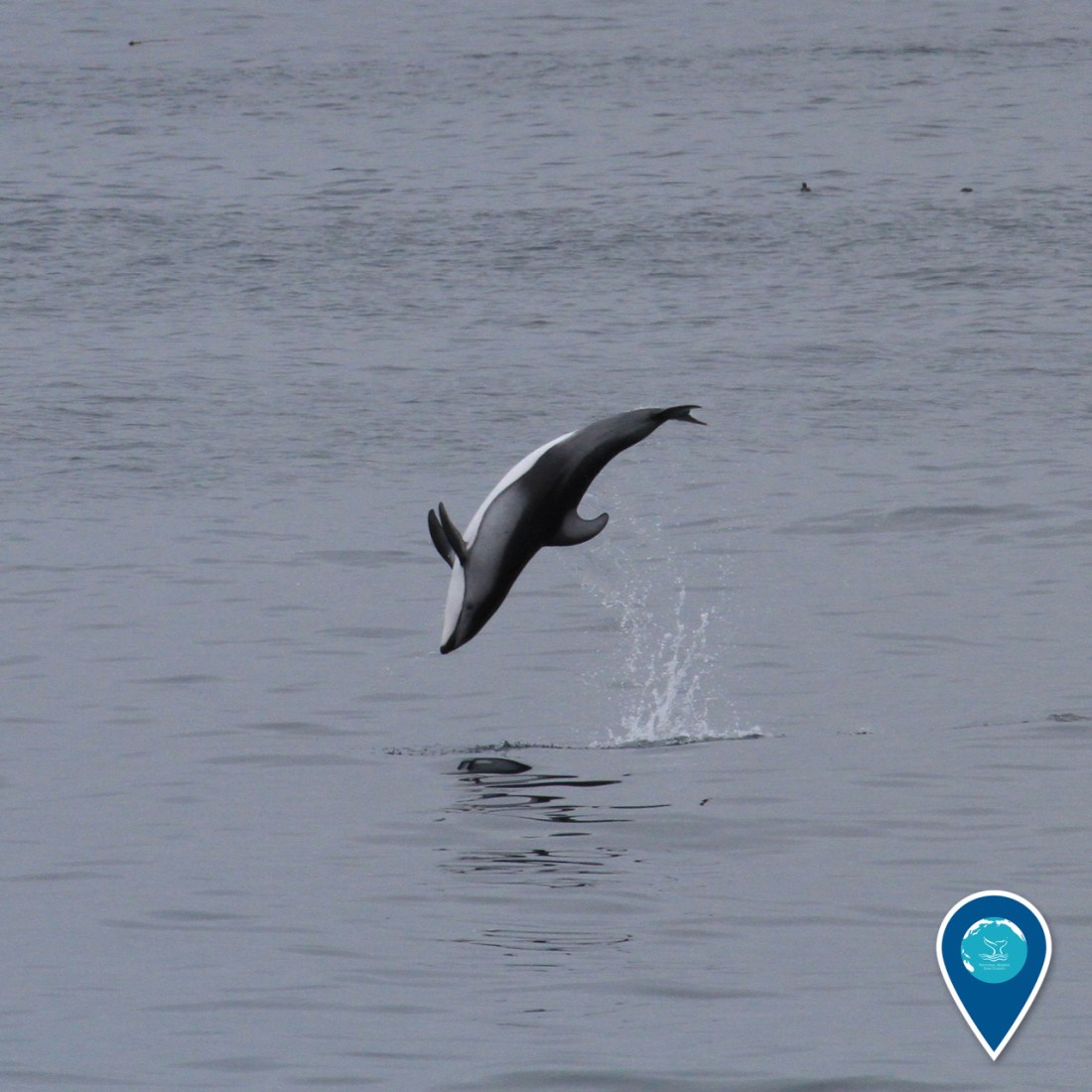
Cordell Bank National Marine Sanctuary is home to some 13 species of cetaceans (dolphins, whales and porpoises)! Pacific white-sided dolphins like this one are among the most frequently seen at the sanctuary, and are incredibly social animals.
While these dolphins may sidle right up alongside a boat to investigate, never try to touch, chase, or feed them. Pacific white-sided dolphins are among the many species protected under the Marine Mammal Protection Act, and need our help to stay safe and healthy in their natural environment.
(Photo: Sage Tezak/NOAA)
Cool, backflip!
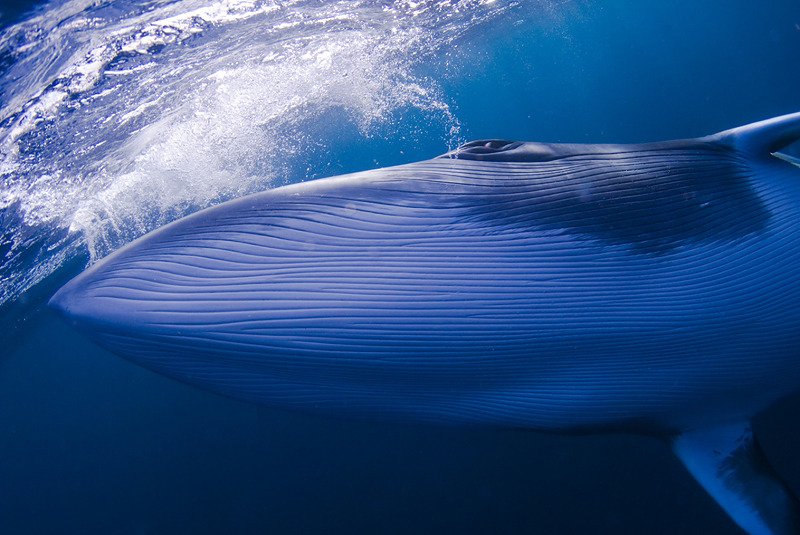
(photo by Steffen Binke)
The minke whale (Balaenoptera acutorostrata) is a relatively small baleen whale, only reaching about 33’. It is the smallest of the rorquals and the second smallest of the baleen whales. They can be found worldwide, with populations in the North Pacific and North Atlantic Oceans. Minke whales are one of the most highly commercially hunted species of whales.
(Source 2)


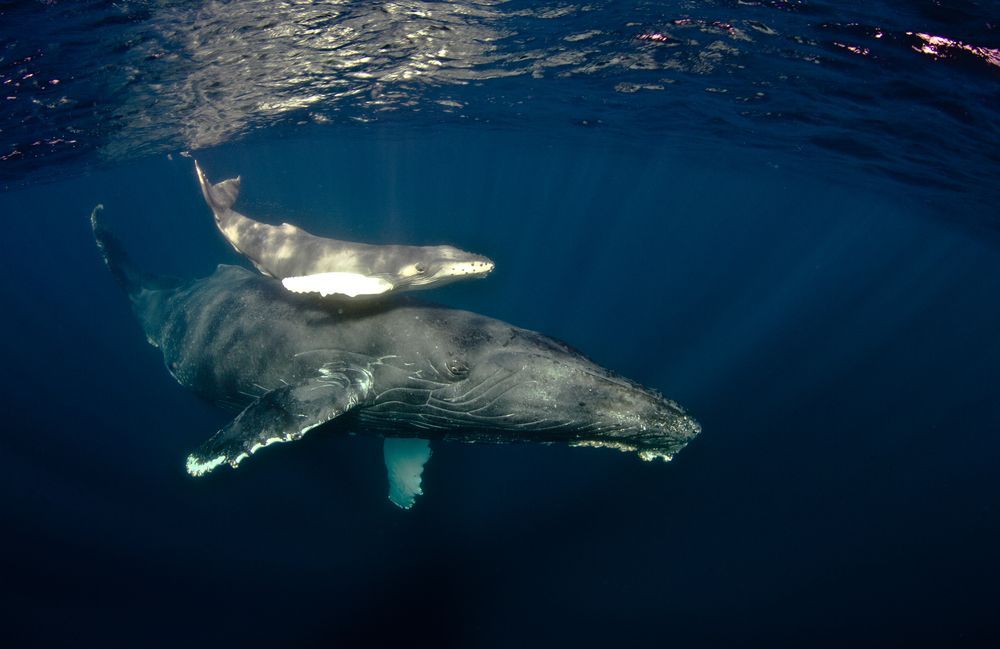
 wishwhale